
A £1.5 million grant was secured by the team at the North Wessex Downs National Landscape Partnership from the Defra’s Species Survival Fund. The grant was for the Partnerships for Nature programme, which restored and enhanced a range of important habitats for a diversity of rare and vulnerable species throughout the protected landscape. Match funding from some of the partners and other sources took the total value of the project to £1.7 million which involved multiple partners including farmers, private landowners and environmental non-government organisations.
The programme ran from May 2024 until February 2026 and formed a crucial part of our plan for nature recovery in the NL. You can read more about our priorities and aims for nature recovery and about our Nature Recovery Plan here.
Project Achievements
Despite challenges during the first winter of the project with very wet conditions and delays due to archaeological finds, the project was completed successfully – over-delivering on habitat creation targets whilst also substantially exceeding community engagement expectations.
In total 130 hectares of habitat restored or created, including chalk grasslands, woodland, and wildflower margins. In addition conservation grazing is supporting the management of 257 hectares of wood pasture and heathland habitat, and 2.7 kilometres of chalk stream has been restored. The long term impacts for species and habitats are expected to be significant, with positive signs already of species recovery.
Find out more below about each of the projects and partners.
Partners
Action for the River Kennet
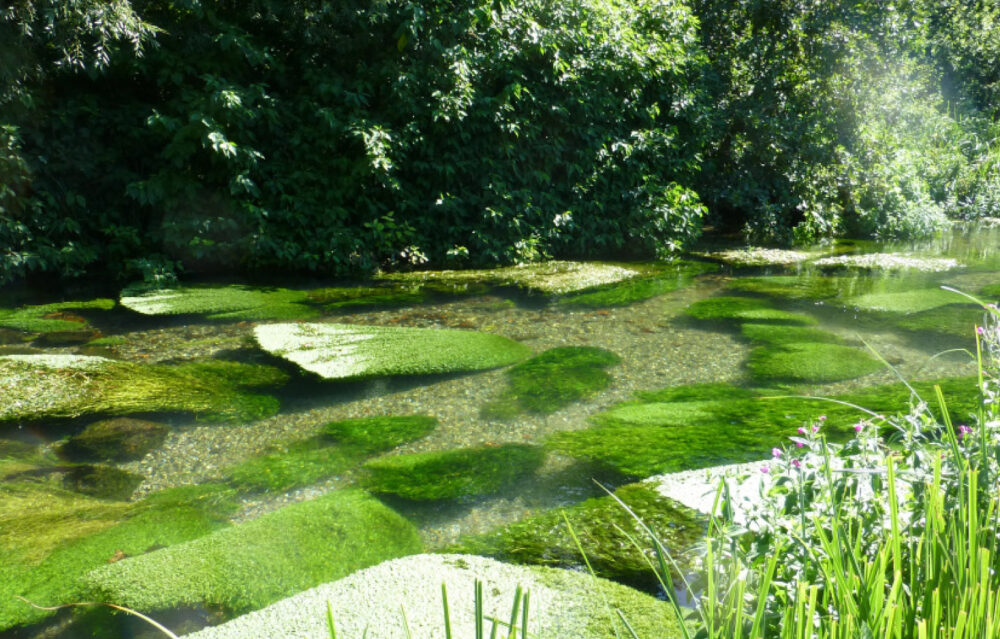
Action for the River Kennet (ARK) is the Rivers Trust and the Catchment Partnership coordinator for the River Kennet. ARK worked in partnership across two sites; working with the Benham Estate to restore chalk stream habitat and with the Sulham Estate to establish a new wetland. More details below.
Benham Estate
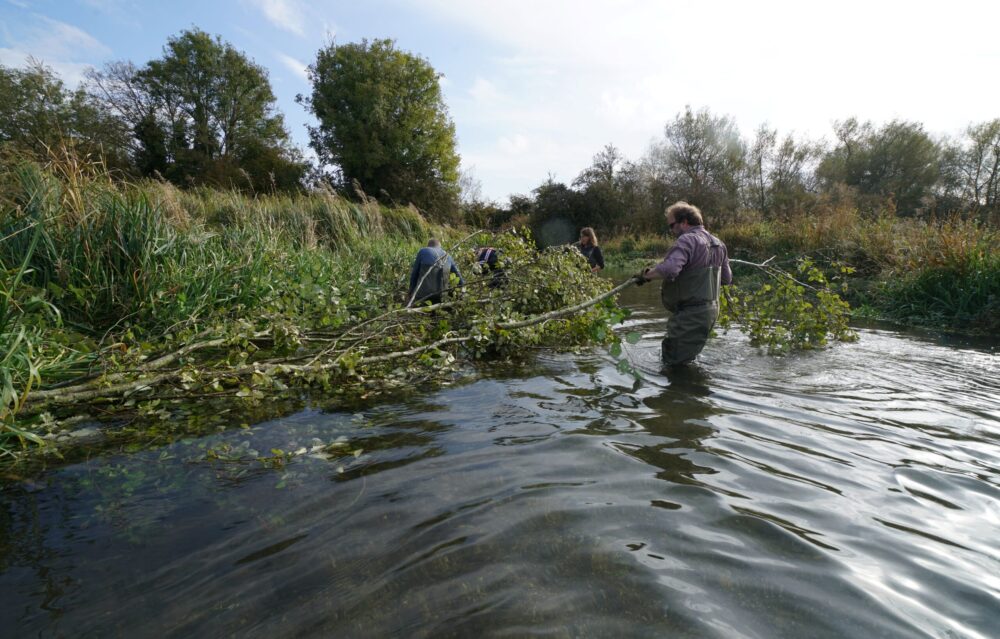
The Estate restored 2.7km of rare chalk stream habitat, wet woodland and wet meadows on the river Kennet SSSI. The capital works – repairing the natural form and function of the river – included removing barriers to fish passage, restoring spawning habitat for brown trout and reconnecting the river to the flood plain in order to re-wet areas of wet meadow and woodland. This restores geomorphological conditions enabling macrophyte and invertebrate species to recolonise. The project also enabled access opportunities to parts of the Kennet not normally open to the public, hosting training, volunteering and guided walks.
The Benham Estate worked in direct partnership with ARK.

Berkshire Buckinghamshire Oxfordshire Wildlife Trust (BBOWT)
BBOWT completed ash works within woodland coppice at Moor Copse SSSI. Ash was causing significant issues in terms of operational management, constraining the ability to carry out standard woodland management activities such as coppicing with self-led volunteers. Dangerous ash was ‘veteranised’ creating niches & habitats for bats, birds and invertebrates and enabling the volunteering activities to restart, contributing to the sustainable management of the coppice which will benefit woodland species especially birds and butterflies.

Bucklebury Estate
Bucklebury Common is a 350ha Local Wildlife Site with full public access. Previously the common was grazed by cattle belonging to ‘commoners’ exercising their grazing rights. However, this practice has fallen away and this has resulted in the once-healthy heathland habitat becoming dominated by secondary birch woodland. Grazing has been reintroduced to help restore valuable heathland and wood pasture habitats and their associated wildlife. A team of volunteers check livestock, undertake tasks/surveys supported and coordinated by a new Ranger post. Habitat restoration was also supported by removing invasive species of holly, pollarding young trees, creating hibernacula, and restoring ponds.
Find out more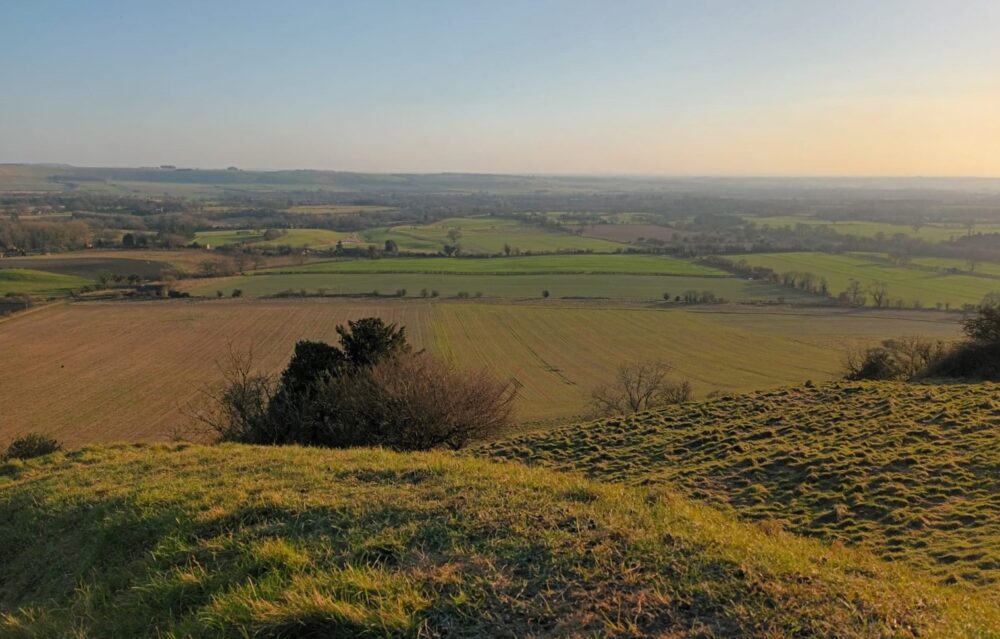
Earth Trust
Two fields at Earth Trust’s have been converted to demonstrate innovative, regenerative, land management best practice, showing how food production can successfully & beneficially integrate with species recovery. Around 50% of the North Wessex Downs NL is arable and this approach could make vast areas wildlife-friendly for farmland birds, insects, amphibians, reptiles and plants.
Sheepdrove Farm
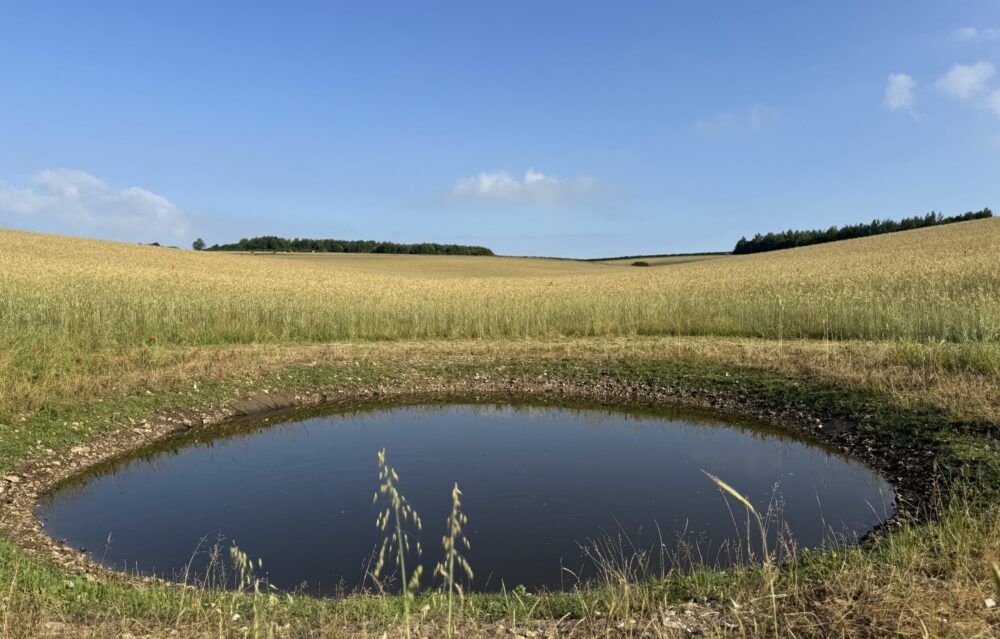
Sheepdrove established sympathetic management of a nationally-important assemblage of arable plants sites, advised by Plantlife. Sheepdrove partnered with Plantlife for the siting and creation of uncropped, cultivated field margins for arable plants, increasing their populations over time, and providing summer foraging habitats for farmland birds. New signs are helping to inform and encourage community engagement. Two dew ponds were also restored, increasing biodiversity and providing important on-farm freshwater.
Find out more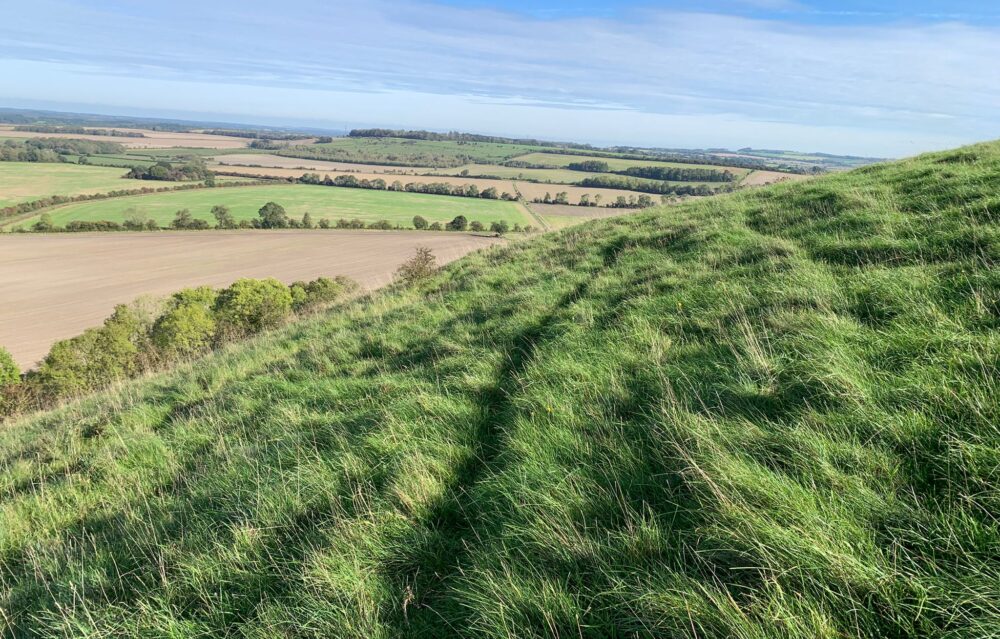
Southern Streams Farmer Group & FWAG SE
Together this partnership enhanced 20 hectares of grassland to increase chalk grassland habitat at Tidcombe. This is a key priority habitat for the North Wessex Downs and provides connectivity for existing chalk grassland. Plug plants increase the diversity of grassland and support more and a greater range of species including the Duke of Burgundy, chalk blue and marsh fritillary butterflies. Three hectares of scrub removal have also contributed to the improvement of current lowland calcareous grassland habitat. Volunteering and training opportunities engaged local communities.
Find out more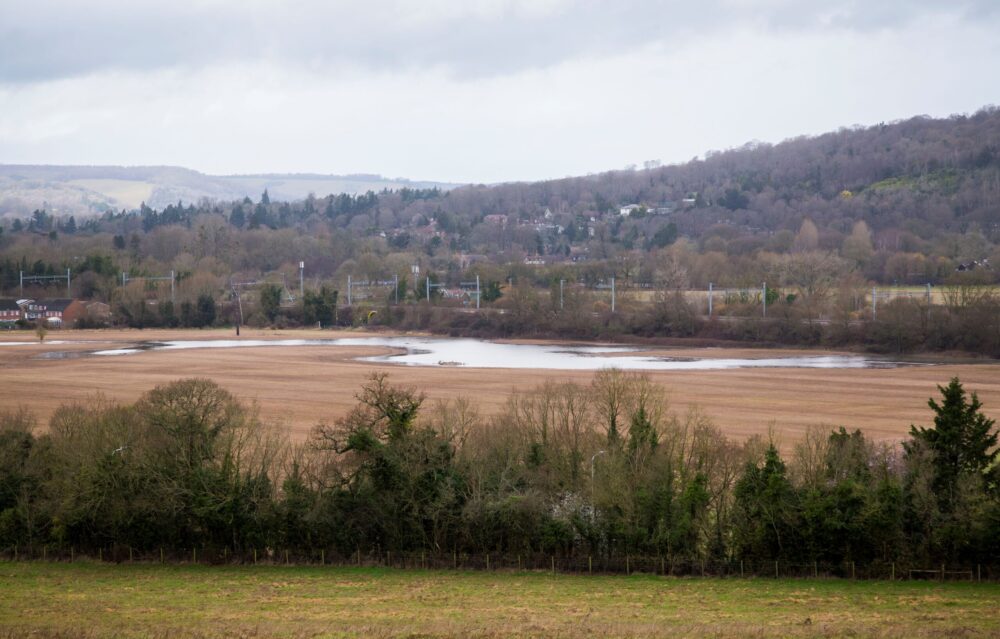
Sulham Estate
Working with ARK, and match funded by Mend the Gap, the Estate created a wetland, with tall herb fringing vegetation and species-rich wet grassland in a currently seasonally-flooded area of an arable field. The field also supports a small population of breeding lapwing. In one area of the field, arable plants of interest were detected, and this area has been cultivated in a way to encourage them to thrive. This project links the flood-plain wetland/wet grass habitats of the Pang valley with those of the Thames north of the Great Western Railway and benefits amphibians, farmland birds and arable plants.
Plantlife
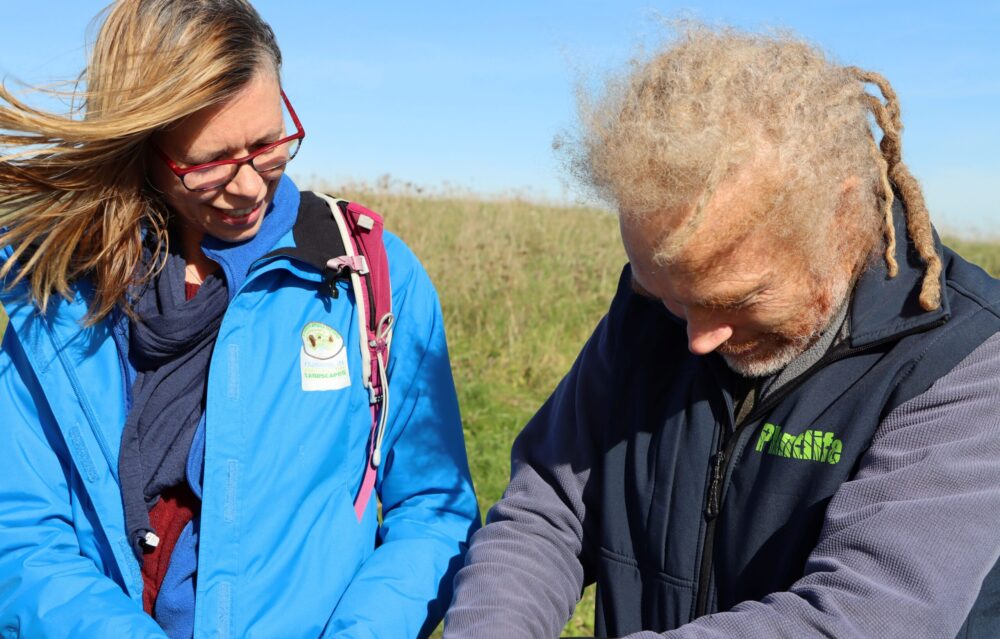
Plantlife worked with Sheepdrove and Earth Trust to provide specialist botanical advice and species monitoring.
The Partnerships for Nature programme is funded by Defra’s Species Survival Fund. The fund was developed by Defra and its Arm’s-Length Bodies. It is being delivered by The National Lottery Heritage Fund in partnership with Natural England and the Environment Agency.