
The Southern Streams Farmer Group and FWAG South East supported chalk grassland restoration at Tidcombe in Wiltshire. Chalk grassland is one of the UK’s most threatened yet ecologically rich habitats – over 40 species of flowering plants can be found in just a single square metre. Around 9% of the UK’s chalk grassland lies within the North Wessex Downs, but this habitat has declined by almost a third in recent decades and surviving fragments are increasingly isolated. Restoring and reconnecting these landscapes is therefore a vital priority for nature recovery.
The project was part of our wider Partnerships for Nature programme, funded by Defra’s Species Survival Fund and administered by the National Lottery Heritage Fund. The programme restored and enhanced a range of important habitats for rare and vulnerable species throughout the North Wessex Downs National Landscape, and ran from 2024 until early 2026.
20 hectares of chalk grassland enriched and restored at Tidcombe
20 hectares of semi-improved chalk grassland was enriched and restored as part of the project. Over-seeding and plug planting was carried out, alongside targeted scrub clearance, to increase plant diversity and improve the structure of the grassland. These enhancements will help support a wide range of species, including the iconic Duke of Burgundy butterfly. In time, the habitat improvements will also create stronger ecological links between existing areas of chalk grassland, allowing wildlife populations to move more freely through the landscape.
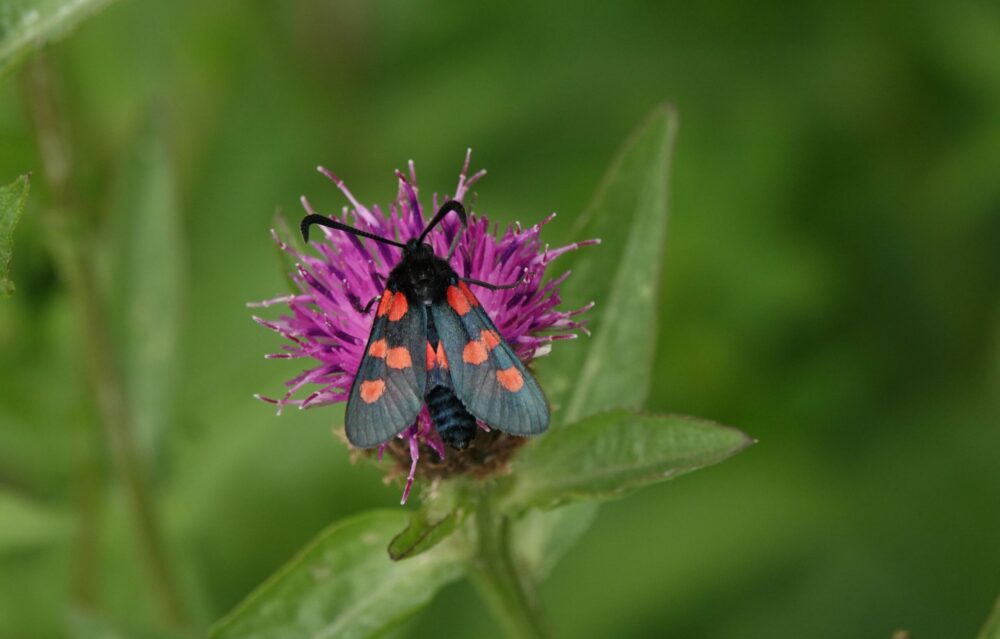
Image: Five spot Burnett, credit Jeremy Wyatt
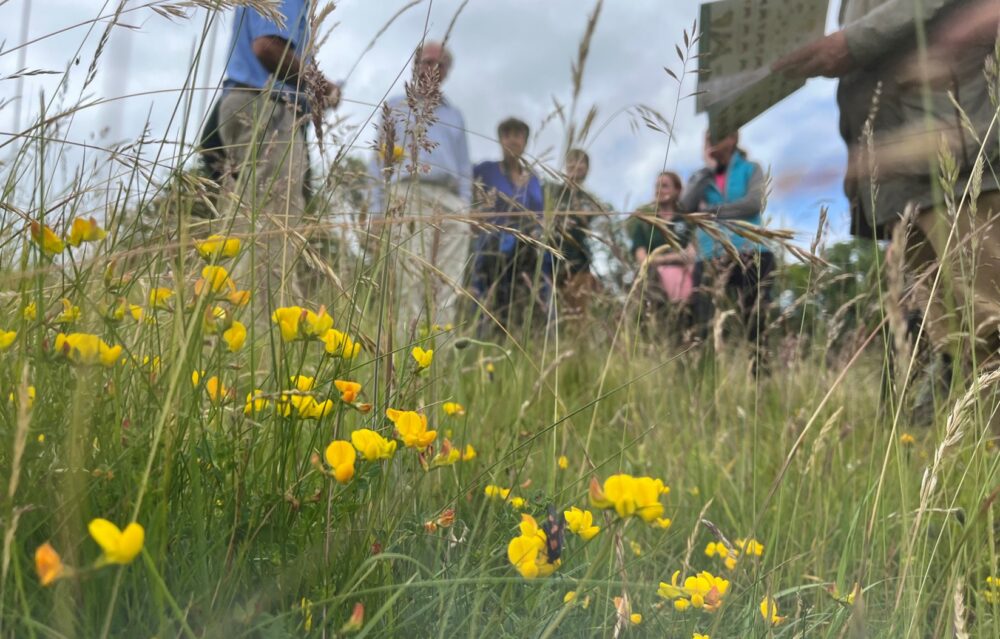
Training for local volunteers and conservation advisors
Opportunities for local people have also been created to ensure there are benefits across the landscape and beyond the end of the project. Volunteers have been trained to monitor butterflies and have begun undertaking transects across the Southern Streams group area to identify species on farmland. Additionally, conservation advisors have been trained to identify Duke of Burgundy caterpillar feeding behaviour to support sensitive advice when managing habitats for threatened species.
Image: training event at Tidcombe, credit Belinda Bown, FWAG SE
Project achievements
The project was a success with the impact spreading widely as a result of specialist training for advisors that they will take to other chalk landscapes, and increased appreciation and better advice anticipated for species such as the Duke of Burgundy butterfly. Achievements include:
- 21 hectares of chalk grassland restored, including three hectares reclaimed through scrub clearance
- 17 hectares prepared by creating bare ground
- Seed broadcasting and sowing across the site
- Plug planting of chalk grassland species including devil-bit scabious
- 30 people attended butterfly training events for local people and farm advisors
- 6 volunteers completed over 82 hours of butterfly surveying by August 2025
- 21 people attended farmer events and meetings
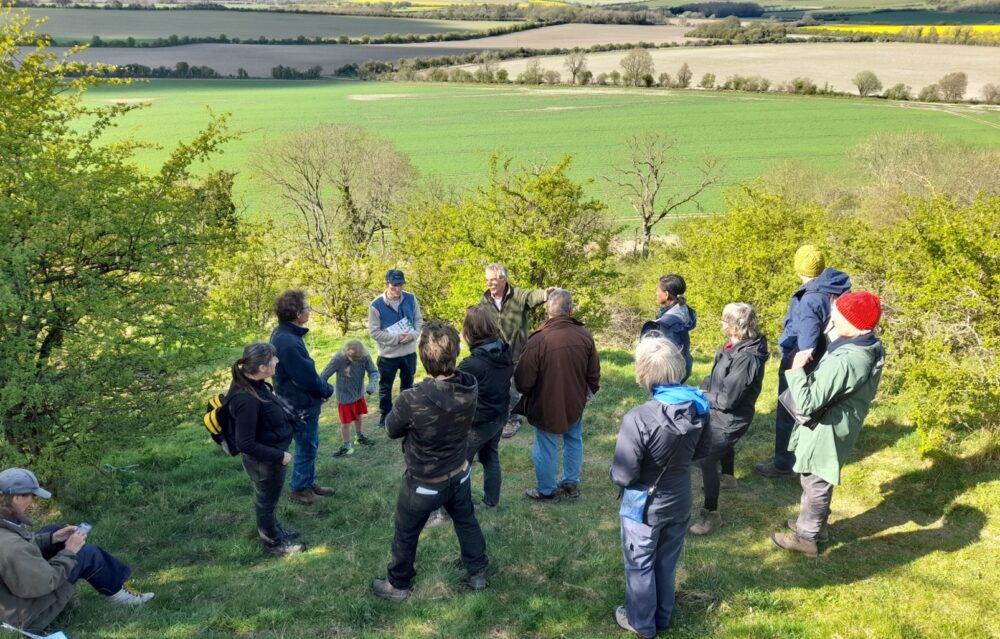
Image: A butterfly walk at Tidcombe as part of the project, credit Anthony Currivan
Find out more
Find out more about the other projects in our Partnerships for Nature programme here, and about project partners FWAG SE here.
The Partnerships for Nature programme is funded by Defra’s Species Survival Fund. The fund was developed by Defra and its Arm’s-Length Bodies. It is being delivered by The National Lottery Heritage Fund in partnership with Natural England and the Environment Agency.