
Farming in Protected Landscapes is proud to have supported a wide variety of projects across the North Wessex Downs National Landscape over the last 5 years. They have all contributed toward the programme objectives of Climate, Nature, People and Place as well as delivering for our own Management Plan objectives.
We hope these case studies prove interesting and inspiring – if you want to discuss your own potential project further please contact the FiPL Officer Jemima Sellwood

Chalkland Revival
Our “Chalkland Revival” grant to the Wiltshire Wildlife Trust is the most extensive project we have funded to date, supporting five farmer-led groups across the area, representing nearly 90 farms and over 40,000 hectares of farmland. Over £150,000 was awarded for a landscape-scale effort to restore nature and support sustainable farming. Five of our NWD farmer-led groups (Southern Streams, Wessex Downlands, Ridgeway, Cleres and Wessex and Combes) are working together on various project to enhance nature and biodiversity.
Key initiatives will focus on recovering threatened species like the northern lapwing by providing protective measure for nesting plots. There will be a monitoring project for farmland birds using innovative acoustic technology to monitor species across the landscape. The project is also exploring the issue of collaborative deer management and looking new options for markets for wild venison. Finally, the project will also look to enhance climate resilience, by identifying new locations for ponds and wetlands, improving and enhancing biodiversity in the area. This is the first time we have supported the coming together of multiple farmer-led groups in this way, reaching a significant proportion of land in the North Wessex Downs.
Read more on Wiltshire Wildlife Trust's webpages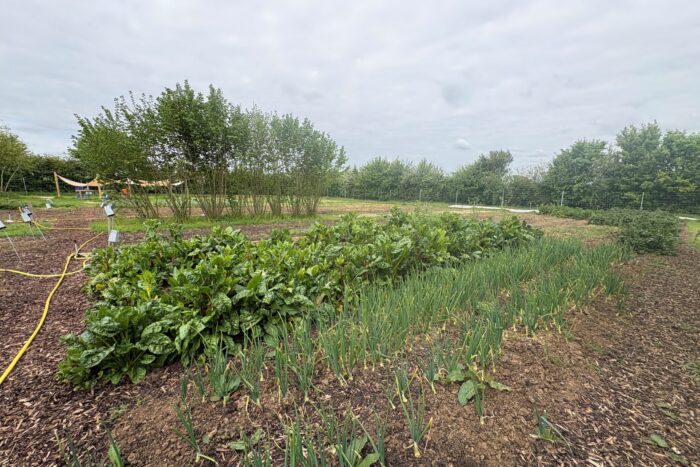
Edible Classroom
Under the FiPL theme of People we made a grant to the Earth Trust, to create an exciting new outdoor learning environment – the Edible Classroom. 80 no-dig vegetable beds were created in 1.5 acres, alongside benches and shelter tents to allow outdoor teaching about food production. Cooking areas will also mean the children can enjoy the fruits of their work and learn about healthy eating.
The site is particularly popular with special educational needs groups and the area will also host various volunteer groups from the Earth Trust. Alongside other funding it will enable the Earth Trust to host more schools and more varied groups, adding to their long-standing educational programme.
Learn more about the Earth Trust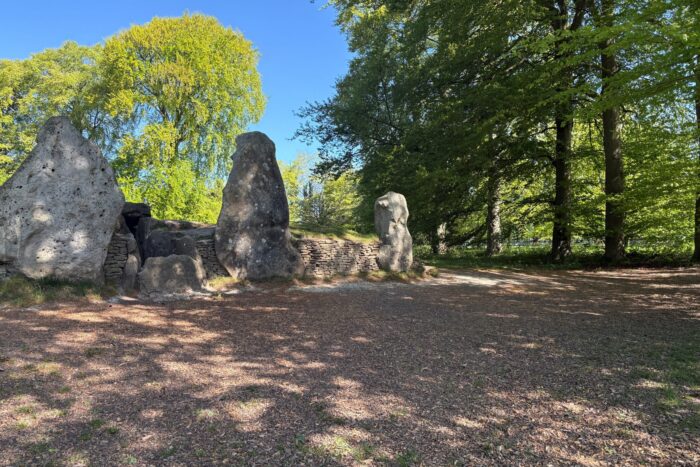
Waylands Smithy Scheduled Monument
In 2025, we supported the Historic Ridgeway Project, providing funding towards maintenance and educational projects based around Waylands Smithy, a Neolithic scheduled monument next to the Ridgeway National Trail in Oxfordshire. Working with Historic England, the Ridgeway National Trail and the Historic Ridgeway Project new fencing was erected around the site, protecting it for the future and enhancing the setting of the site. Funding was also provided to ensure proper archaeological oversite of the fencing work. The project also supported the development of a primary school educational pack, including lesson plans and site visit ideas, looking at the history and local geography and wildlife in the area. Finally support was provided to produce an online lecture series about the Ridgeway, available to all on YouTube, covering both the history and current activities on and around the Ridgeway. Improving access and information about an important ancient site in our area delivers for the FiPL themes of People and Place, and also enhances our landscape for the future.

Great Cotmarsh Tannery and Education Centre
In Spring 2025 we made our largest grant ever, to James and Katie Allen at Great Cotmarsh Farm in North Wiltshire, to support their creation of a micro-tannery and education centre. FiPL funding enabled them to build the first micro-scale organic vegetable tannery for cow hides to teach local businesses and farms to tan and use their own hides. Alongside this we also supported an education centre to teach school children at primary and secondary level and adults about farming and sustainable fashion. This large building project was completed in record time and will support local and regional farmers to diversity their business and also educate the public about sustainable farming practices.
Go to our Blog page to read the whole story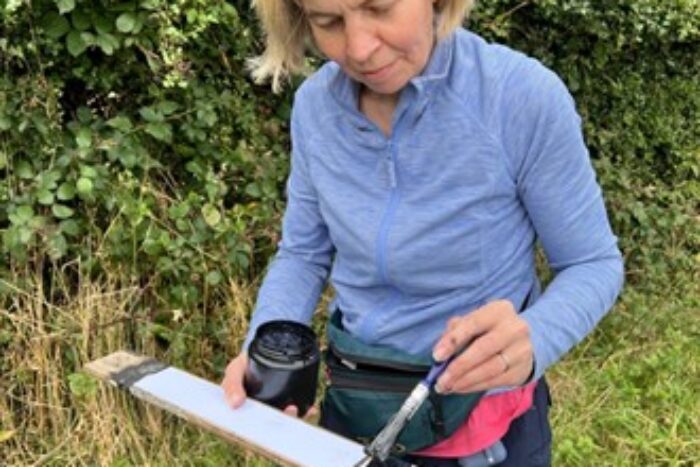
Hampshire Dormouse Project
Funding from the programme has allowed around 60 sites to be monitored by the Test Valley Dormouse project – run by FWAGSE (Farming and Wildlife Advice Group). Video footage was also obtained to enthuse the public about dormice. Using small tunnels and non-harmful ink (see photo) they can capture dormouse ‘footprints’ and thus evidence of dormice activity. The farmer on whose land the hedge is located is informed and they are given advice on how to improve all their hedges for dormice. It is known that dormice prefer hedges with a wide base and plenty of vegetation.
Recent follow on funding will allow the team to further analyse the dormouse location data and also advise the farmers on good hedgerow management and the potential for new hedgerows – to improve connectivity between sites and increase habitat areas. By focussing on one species, the project is helping to improve our landscape and biodiversity more generally, by improving the extent and quality of hedges.
Read more about the project here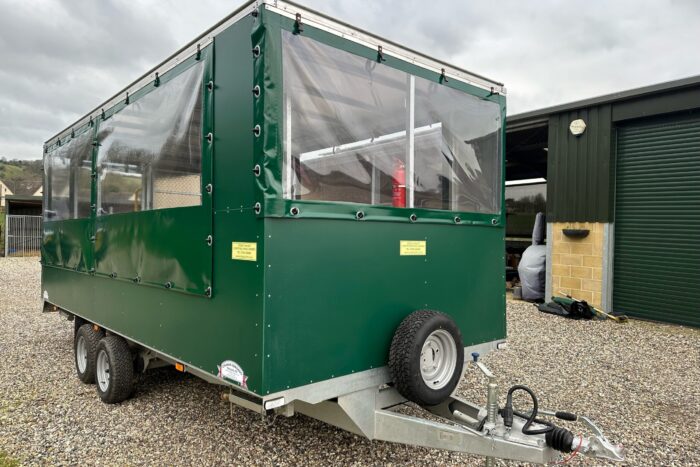
Facilities for school visits on a mixed farm
We have been excited to help Lucy Tyler, a dairy and arable farmer near Calne on the western edge of the North Wessex Downs. She attended a LEAF/CEVAS course to learn how host schools safely and support the national curriculum, which she found extremely useful. Alongside that we have been able to support facilities on her farm to improve school visits. We part-funded a trailer and toilet facilities and we are supporting the creation of a new classroom by converting a disused grain dryer on the farm. The trailer will mean lessons can be held anywhere on her beautiful farm and the classroom will allow visits throughout the year, increasing the number of schools they can host. Children from every year from her local school will learn about where food comes from and the countryside around them.
See Countryside Classroom to find farms that host schools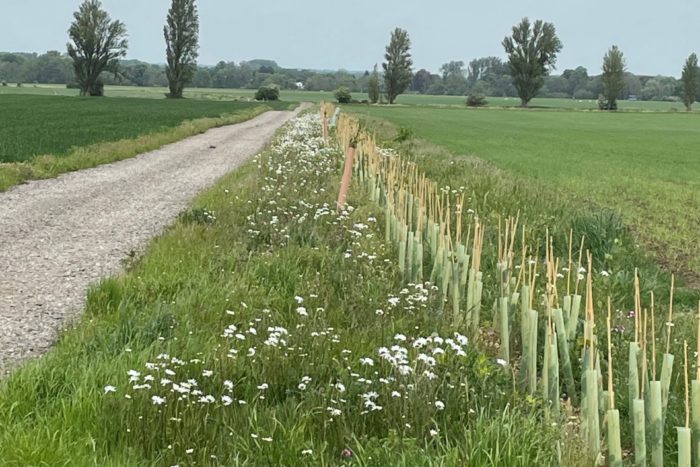
Elm Revival – Church Farm, Oxfordshire
Church Farm Partnership is sandwiched between the Thames and Wittenham Clumps in the North-East of the AONB. It is a mixed farm with arable and beef cattle spread across the Oxfordshire floodplain. They have worked for two years with the Earth Trust and Wild Oxfordshire to deliver a landscape-scale restoration of Thames floodplain wet meadows and pastures aiming to restore populations of insectivorous birds like house martins and yellow wagtails. This project builds on the success of the ‘River of Life Project’ by restoring hedgerows and tree lines along traditional field and parish boundaries. These hedgerows and tree lines increase the connectivity of habitat for many species and restore the traditional character of the landscape. Disease resistant elm are used as hedgerow trees along with other species, to return a tree lost to the area.
Bucklebury Common – Berkshire
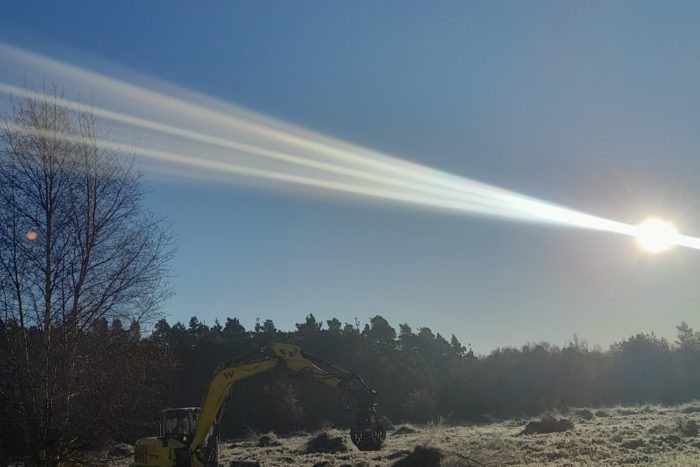
The Farming in Protected Landscapes Programme has funded various projects with the team at Bucklebury Common. They have created a commons association, conducted a detailed assessment of the habitats and developed a vision for their management, and developed a grazing feasibility study to accompany this management plan. We have also funded the removal of scrub using a mechanical grabber to increase effectiveness and limit re-growth. Furthermore, through our Access for All grant we have funded the restoration and creation of access routes and infrastructure to improve the access for local people and visitors to the common. The future of the common is looking positive and we are keen to continue working with them in partnership.
For more information on the common and its management see their website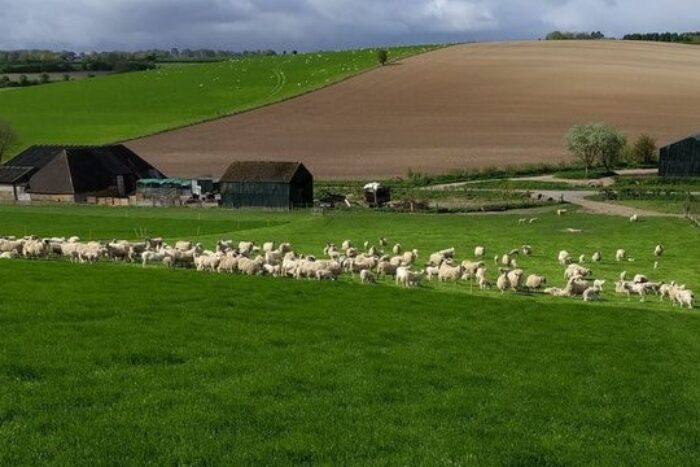
Processing and education centre with viewing platform at Shellswood Sheep Dairy – Aldbourne, Wiltshire
The Browns have been farming at Manor Farm in Aldbourne for generations. With two sons taking up the farming mantle of the parents there was a need to diversify and increase income. Their ethics have taken centre stage and are pushing reformation of their farming systems toward more regenerative practices and traditional products. This includes regeneratively grazing sheep and milking them with high welfare standards. North Wessex Downs NL has supported their venture by funding the installation of cheese-making facilities for local artisan cheese makers and an education room over-looking the dairy so school groups and others can learn about their farming practices.
Action for River Kennet
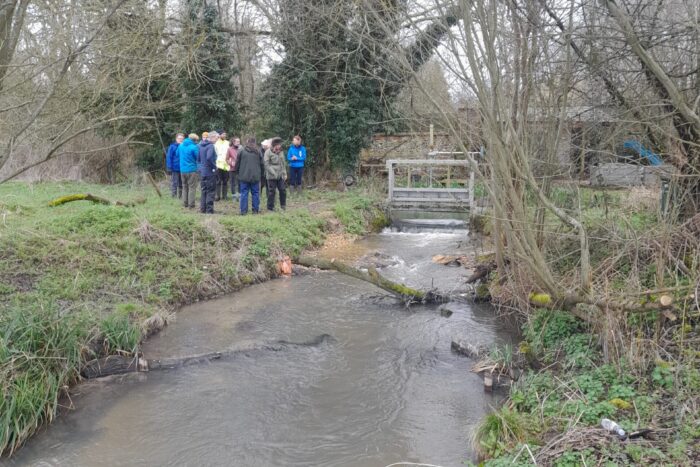
Action for the River Kennet are a long term partner of the North Wessex Downs NL. For more information about their organisation please refer to their website http://www.riverkennet.org/. We worked with them on the highly successful Sparkling Streams Project and many others besides. Farming in Protected Landscapes has offered an opportunity for the AONB to continue to fund some excellent projects led by ARK. These have included wetland creation on the River Og, wetland planting at Wilton Wetland (previously created with the support of the Sparkling Streams project), Chisbury canal overspill and wetland creation and a fish pass on the River Shalbourne. We visited all these projects with the North Wessex Downs team, ARK officers, FiPL Panel members Thames Water and others to learn about wetland creation and its effectiveness and to demonstrate the impact of partnership working.
Read our blog about the visit.
Hedge Laying at Pewsey Hill Farm
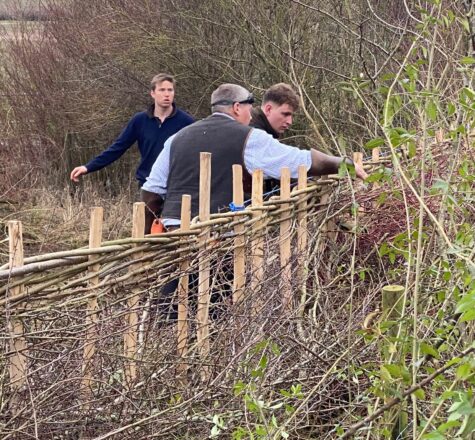
Charles Bowerman has hosted the Wiltshire Young Farmers at Pewsey Hill Farm. He and his team of experts, with the support of the Pewsey Downs Farmers Group and their facilitator Simon Smart, are teaching them the ancient art of hedglaying. The event was funded by Farming in Protected Landscapes in the North Wessex Downs NL. The programme proudly supports farmers such as Charles to actively enhance the beauty of the landscape, restore nature, deliver for climate change and engage local communities. Film has been produced by James Cameron of Greek Street Media and photo courtesy of Simon Smart
Farming in Protected Landscapes - More Information
Further Enquiries
For all enquiries contact our Farming in Protected Landscapes Officer at Jemima Sellwood
Get in touch