
We have a T Level student learning about the National Landscape and gaining experience this year. He works with us for one day a week and reports back below on his visits to some of our access projects. It was great to get his perspective.
My name is Dean and I’m a T level student at Newbury college. I started my industry placement with the North Wessex Downs National Landscape at the beginning of the year. Recently I went to some Access for All sites with Caroline and Jemima. The four sites I went to were Chisbury near Great Bedwyn, the Eling Estate, Bucklebury Common and Combe Gibbet.
Bedwyn Footpaths Group
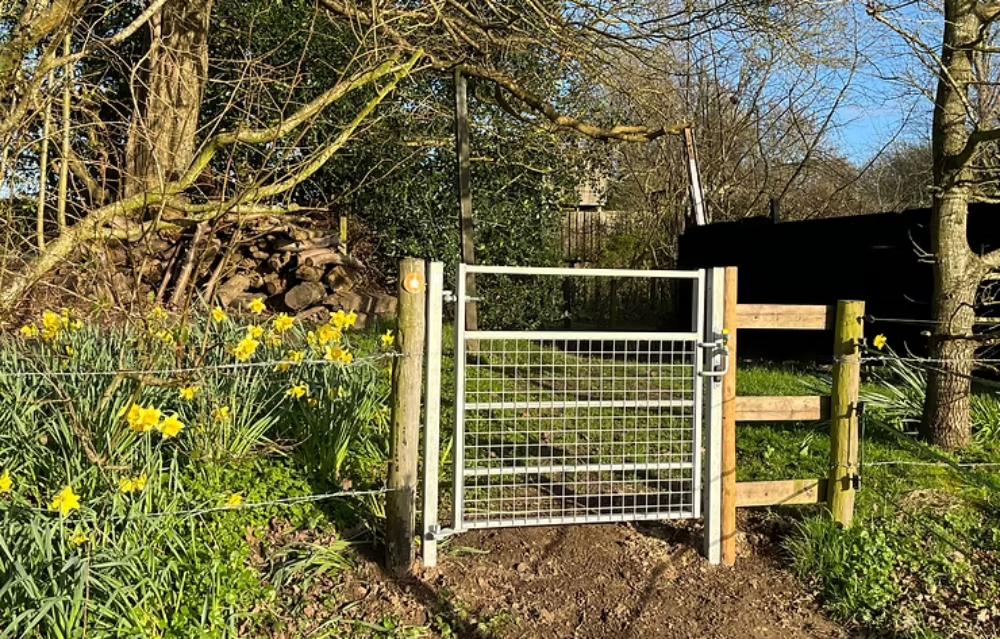
Judy from the Bedwyn Footpaths Group guided us around Chisbury near Great Bedwyn. She taught me about the old and currently used types of gateways, some of which were stiles and some were kissing gates, as well as why they were used and how they were put in (for example the layout of kissing gates).
When wandering along the footpaths Judy showed pictures of the condition some of the stiles used to be in. Many of them were unsteady and dangerous. Furthermore, sometimes near the stiles there were electrical and barbed wires that could potentially harm someone if they were not careful. The work of the Bedwyn Footpath Group has greatly improved access.
Also, while walking we went across three different farms with different types of gates used between them. Judy explained the importance of communication with farmers as public footpaths go across their land. One of the main reasons for having to communicate with the farmers is due to the safety of the animals when they are grazing – as the fields need to be accessible by the farm animals and ensure that they cannot escape. Having good communication with the farmers can also help with the process of installing the gates as well as support with strimming the pathways.
Overall, when visiting the Bedwyn Footpaths I found it a great experience to learn more about the importance of gateways and to admire the commitment of the community to improving the security and accessibility of the local footpaths.
Find out more
Eling Estate
At Eling Estate (near Hermitage) we met up with Daisy, the estate ranger. She gave us a tour around the pathways and talked about the current projects they are doing and what they are trying to achieve.
Firstly, they are trying to increase the number of pathways going to and from Hermitage and the Eling Estate to allow for more options when walking. They are also trying to properly clear the paths. Some of the paths are steep so they are changing the ground to be less muddy by adding different materials to allow for more grip when walking. Secondly, they are changing the flow of the paths around the estate to make people meander more, allowing for more time to look around and to appreciate the forest. Lastly, they have planned to cut down trees every five years around the pathways to ensure for more sunshine to enter the forest. This helps plant growth and to not block people enjoying the area.
For the time I was there, I really admired how much time and effort goes into improving everyone’s experience at the Eling Estate, while also ensuring there is no harm to the natural beauty of the forests. Also, being able to see the difference of before and after the changes really helped show the effect of the project. Overall, the experience was great and being able to understand why these changes are happening really helped me gain a better insight into the project.
Find out more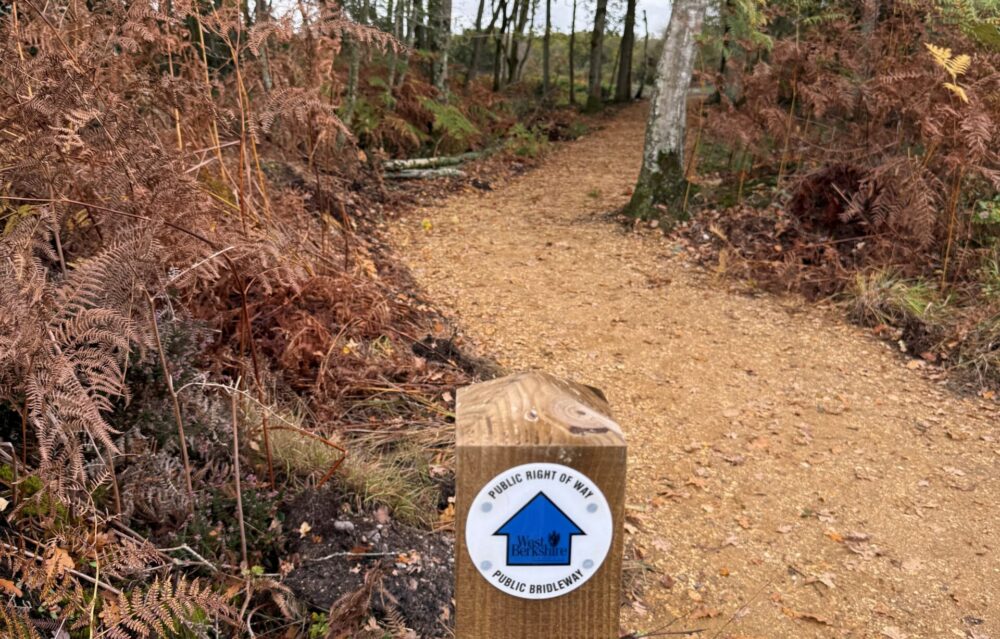
Bucklebury Common
At Bucklebury Common (in the east of the North Wessex Downs) we were able to see the results of the current project to restore the heathland by reducing the amount of silver birch trees that grow. This is because silver birch trees grow very quickly and tend to not allow any other plant life to grow as well.
Also, another part of the project was to create a proper pathway through the heathlands as there were many alternate pathways which cause a lot of damage to the plant life and ground nesting birds. This allowed people to have a clear and obvious pathways to walk and allow for the plants to peacefully grow and nesting birds to not be disturbed.
Furthermore, an information board placed nearby allows people to gain more knowledge about the plant life on the heath and the locations of the pathways which helped me with understanding the variety of plants and the different paths created.
The overall experience there was pretty good as it helped me understand more about the harm that can come to plants, the risks of not clearing pathways and how silver birch trees can dominate areas.
Find out more about Bucklebury Common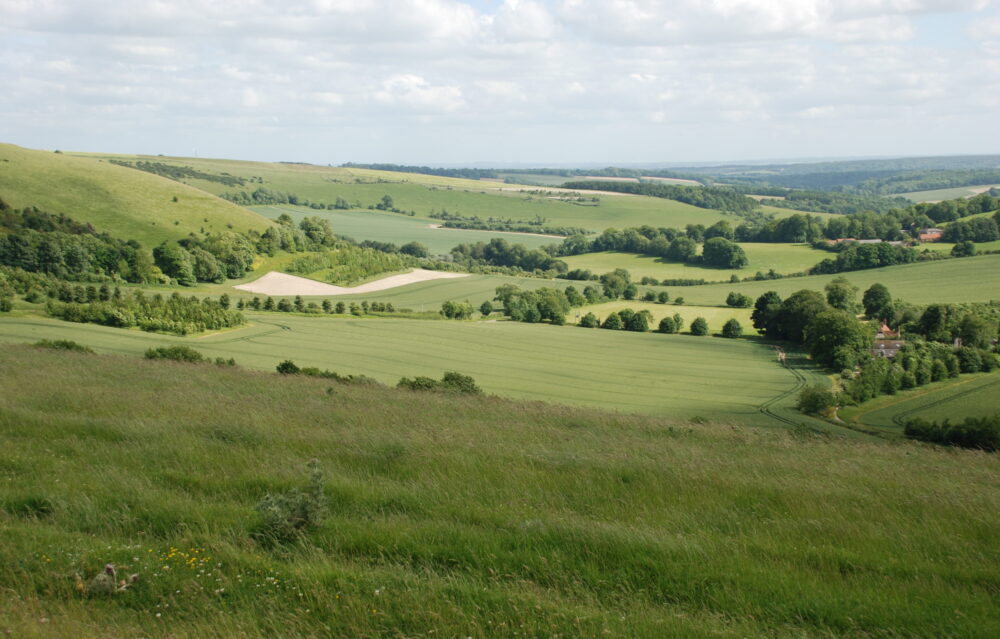
Combe Gibbet
Finally, we visited Combe Gibbet (near Inkpen). We went to see the new gates that have been put in place to allow better accessibility for people with limited mobility which was nice to see the support people get. Also going up there, we had an amazing view of the landscape which was very peaceful and nice to admire after going to lots of different areas.
Although we didn’t do too much at Combe Gibbet, I still loved the amazing scenery and was also pleased to see the support that disabled people get when visiting Combe Gibbet and looking at the amazing views.
Find out more about Combe Gibbet