
The Landscape enhancements on 20 farms in the North Wessex Downs Southern Streams Farmer Group in Wiltshire will benefit from over 1.2km of new hedgerows, new native broadleaf woodland planting, ponds, downland restoration and other actions that will help mitigate the visual impact of the electricity pylons. Rare and threatened species such as Willow Tits, Dormice and Duke of Burgundy butterfly will also be supported and access to the countryside will be improved with new footpath gates and bridleway enhancements.
With the support of Wiltshire Council, the North Wessex Downs National Landscape (NWDNL) secured funding for the ‘Natures Screen’ project from National Grid’s Landscape Enhancement Initiative (LEI). Through the LEI, National Grid funds projects that reduce the visual impact of National Grid’s existing electricity transmission lines within designated landscapes in England and Wales. Great Western Community Forest are also supporting the project by match-funding tree and hedgerow planting.
The project is led by the NWDNL and South-East Farming and Wildlife Advisory Group (FWAG SE) and delivered by the Southern Streams local farmers group and their facilitator Belinda Bown
Jemima Sellwood, project lead in the NWDNL team, said:
“We are delighted to have the go ahead for this important project. It will have a huge impact on the landscape within the North Wessex Downs, help with nature recovery, as well as benefitting more people to enjoy the health benefits of access to the countryside, and deliver on the new North Wessex Downs Management Plan for the next five years.”
Belinda Bown, from FWAG SE, said:
“The Southern Streams Farmers group aims to enhance the local landscape, and this project provides an incredible opportunity to support biodiversity, access and environmental resilience across neighbouring farmland. We look forward to beginning the works and making a difference.”
Cllr Paul Sample JP, Wiltshire Council Cabinet Member for Environment, Climate and Waste, said:
“This project is a significant step toward our long-term goals of boosting wildlife recovery, expanding tree canopy cover, and ensuring Wiltshire becomes a more resilient, climate-focussed county.”
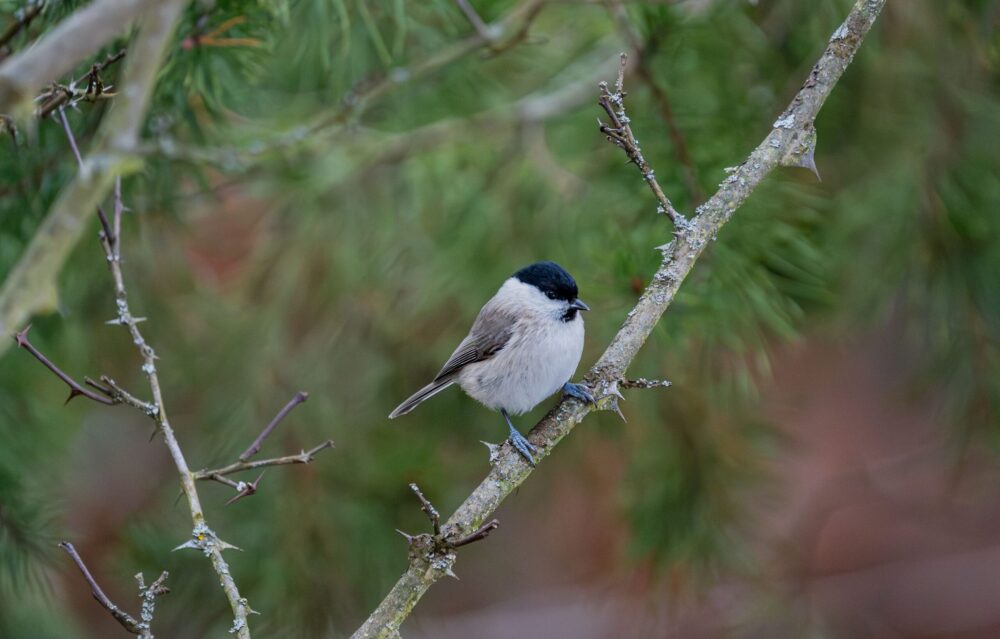
Support for rare species such as Willow Tits
Willow Tits were once common in the UK, but their numbers have declined dramatically by 96% since the 1960’s, and they have almost disappeared from the North Wessex Downs. These shy and secretive birds are tiny but tenacious – each spring, they peck out new nest cavities in standing decaying wood each year. They rely on damp scrubby woodland, but this habitat has declined, dried out and become fragmented. The Natures Screen project includes management of wet woodland to benefit Willow Tits and other priority species.
Photo: Bejan Adrian
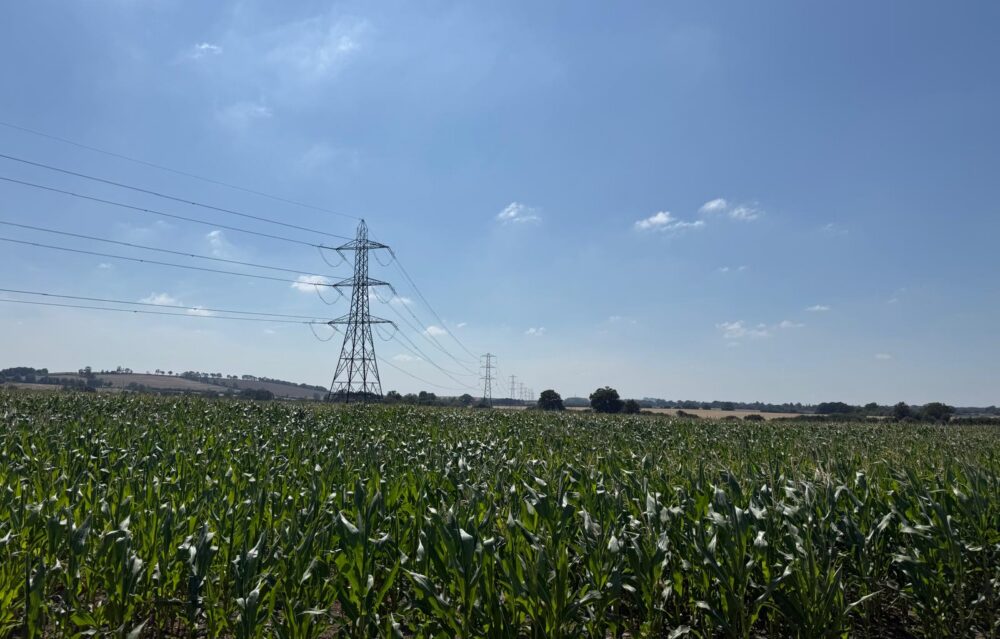
Jemima from the NWDNL comments: “The value of this boost to the landscape isn’t just nice to have, it supports the North Wessex Downs statutory duty to enhance and protect the landscape and is critical to prevent the breakdown of ecosystems and farming food production. For example, birds play a key role in farmland habitats, including pollination, seed dispersal and insect pest control. This project is expected to have a significant impact on enhancing the natural beauty of the landscape while also benefitting a wide range of species which will in turn make the North Wessex Downs National Landscape more resilient and farming more sustainable”.
Amardeep Malhi, LEI Project Manager at National Grid, said: “Through the Landscape Enhancement Initiative, National Grid is making a positive contribution towards preserving and enhancing the natural beauty, cultural heritage, biodiversity as well as accessibility within England and Wales’s most precious landscapes.
“We’re delighted to be building on the positive work delivered through the Visual Impact Provision project in the North Wessex Downs National Landscape with these new LEI schemes, and very much look forward to watching their progress to make this important area even more enjoyable to visit.”
Further information
1. The project support multiple strategies and statutory responsibilities, including:
- The North Wessex Downs Management Plan 2025–2030
- The NWDNL Nature Recovery Plan, contributing to international 30by30 biodiversity goals
- Wiltshire’s Local Nature Recovery Strategy
- Defra’s Protected Landscapes Targets and Outcomes Framework, including goals for thriving wildlife, climate resilience, and public engagement.
2. The Landscape Enhancement Initiative (LEI) is a grant scheme that is reducing the impact of National Grid’s existing electricity transmission lines in England and Wales. It’s an important part of National Grid’s Visual Impact Provision (VIP) project and makes use of a provision made available by the energy regulator, Ofgem. In the last ten years, the LEI has provided over £12m for localised visual improvement projects to eligible National Landscapes and National Parks in England and Wales. The LEI has been championed by the VIP project’s Stakeholder Advisory Group, which includes organisations such as Natural England, Historic England, National Parks England and CPRE plus their Welsh counterparts, along with the National Trust, National Landscapes Association, the Ramblers and the Landscape Institute. It is making a positive contribution to natural beauty, wildlife and biodiversity, cultural heritage and public enjoyment.
3. In addition to funding from the LEI and Great Western Community Forest, the project is funded by the NWDNL Farming in Protected Landscapes and Access for All DEFRA funds.
4. The project follows the route of electricity pylons between Vernham Dean and Burbage in Wiltshire , including the parishes of Fosbury and Tidcombe, Wexcombe and Burbage.
Find out more about FWAG SE, Southern Streams Farmers Group, and Great Western Community Forest.