
Go out into the North Wessex Downs on a clear night and look up at the stars for a truly magical experience! Stargazing is easy, read on for some of our top tips…
Quick Tips
- Dress warmly – clear nights can get cold, even after a hot day, so pack warm layers to keep you comfortable.
- Pack snacks – take some food and a hot flask.
- Think seating – consider taking a chair or blanket to sit on.
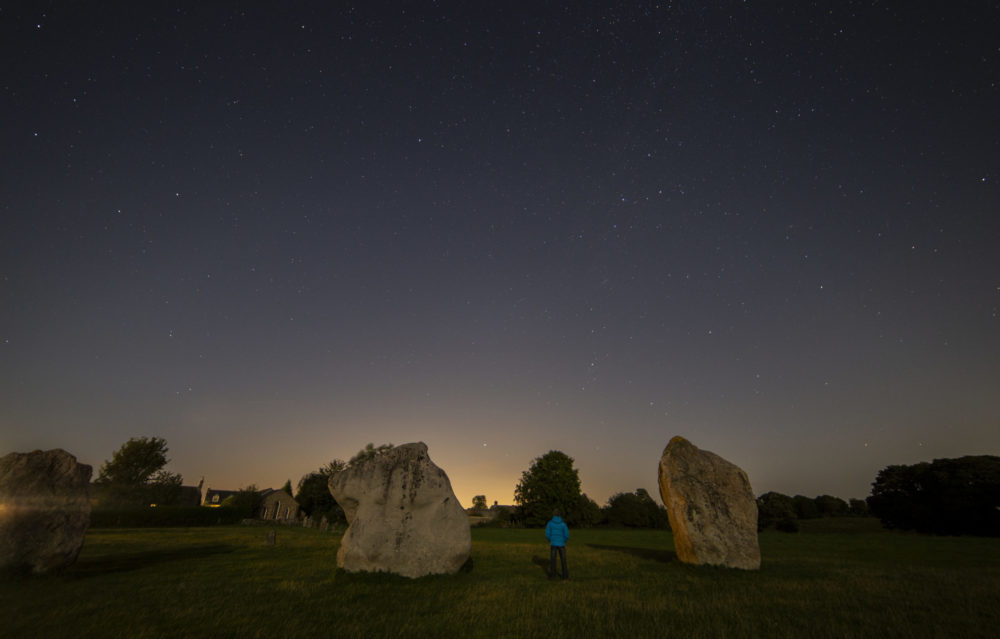
- Plan your spot – choose a dark sky location away from bright lights and skyglow, with clear views to the horizon. Check travel and facilities in advance.
- Stay safe – plan ahead, let someone know where you are going, take a charged mobile phone if possible, do not leave valuables in your car, and take extra care with footing in low light.
- Take a torch – use a red light if possible(or cover the lens of a torch with red film) to protect your night vision.
- Try binoculars (if you have them) – they will show 25 to 50 times more than the naked eye.
- Use a star map – Stellarium is a free planetarium app (for IOS and Android) which uses your phone’s GPS to show what is in the night sky above you. Prefer to stay offline? A planisphere (available in most bookshops and via online retailers) is a simple tool to help you map out the night sky.
- Check the forecast – clear skies are essential for good stargazing, and less moon glow means that more stars will be visible (the days either side of new moon, when no moon is visible in the sky, are best). Try the free Clear Outside app (for iOS and Android) or website for detailed astronomy focused weather forecast.
- Take your time! – it takes 15-30 minutes for your eyes to adjust used to the dark and pick out fainter objects in the night sky. Remember to lower the brightness on any device screens.
What to see
Start with something simple – The Moon is incredible viewed through a simple pair of binoculars, no telescope required. With the naked eye, pick out something that is easy to recognise from a star chart such as Orion, which is visible in our night skies from late autumn until early spring, and use that to find other objects in the night sky.
Spot the Station – NASA’s Spot the Station app (for iOS and Android) sends notifications when the International Space Station is passing overhead.
Where to go
Download our Dark Skies leaflet for a map of suggested sites in the North Wessex Downs. Or use the map below to find locations. Occasional stargazing events take place at the National Trust White Horse Hill and Avebury.
Help to keep our skies dark
We can all help to minimise light pollution and protect our dark skies. Find out what we’re doing and how you can help by visiting the page Our Work – Dark Skies. Are you installing external lighting? Use our Guide to Good External Lighting to minimise light pollution and preserve beautiful dark skies.
Meet new friends!
Astronomical groups are a great source of advice on stargazing and equipment. They are keen to welcome new people and some hold events especially for those getting started.
- Andover Astronomical Society
- Bath Astronomers
- Basingstoke Astronomical Society
- Friends of the Marlborough telescope
- Inkpen Stargazers
- Newbury Astronomical Society
- Swindon Stargazers
- Wiltshire Astronomical Society
For a bit of fun, go on a Cosmic Adventure with astronomer Gavin James from his back garden out to the far reaches of the universe with this 10-minute video: Cosmic Adventure
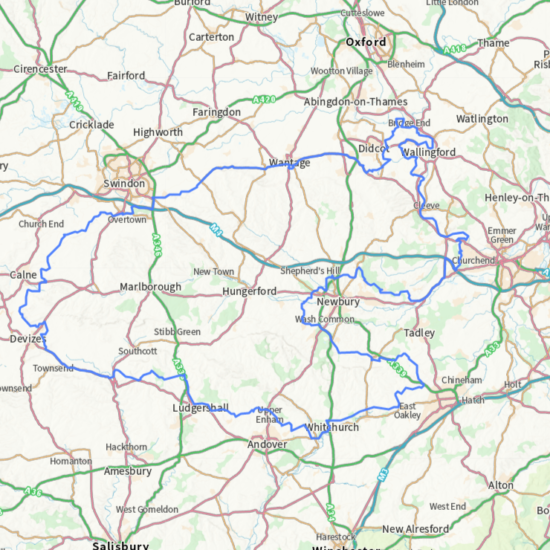
Search stargazing spots in the North Wessex Downs Area of Outstanding Natural Beauty